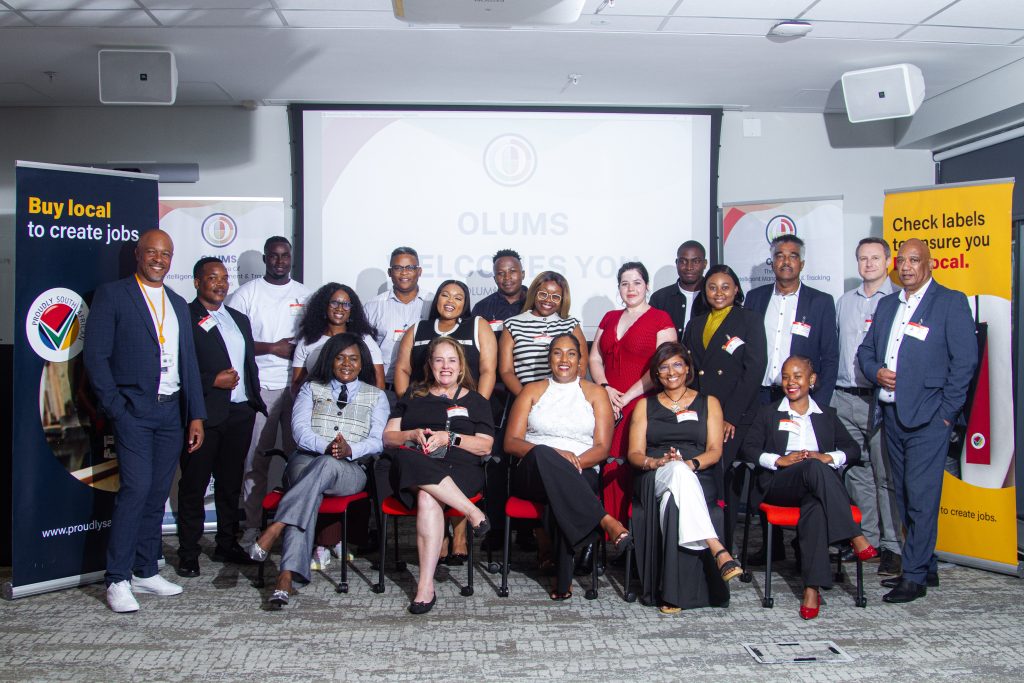
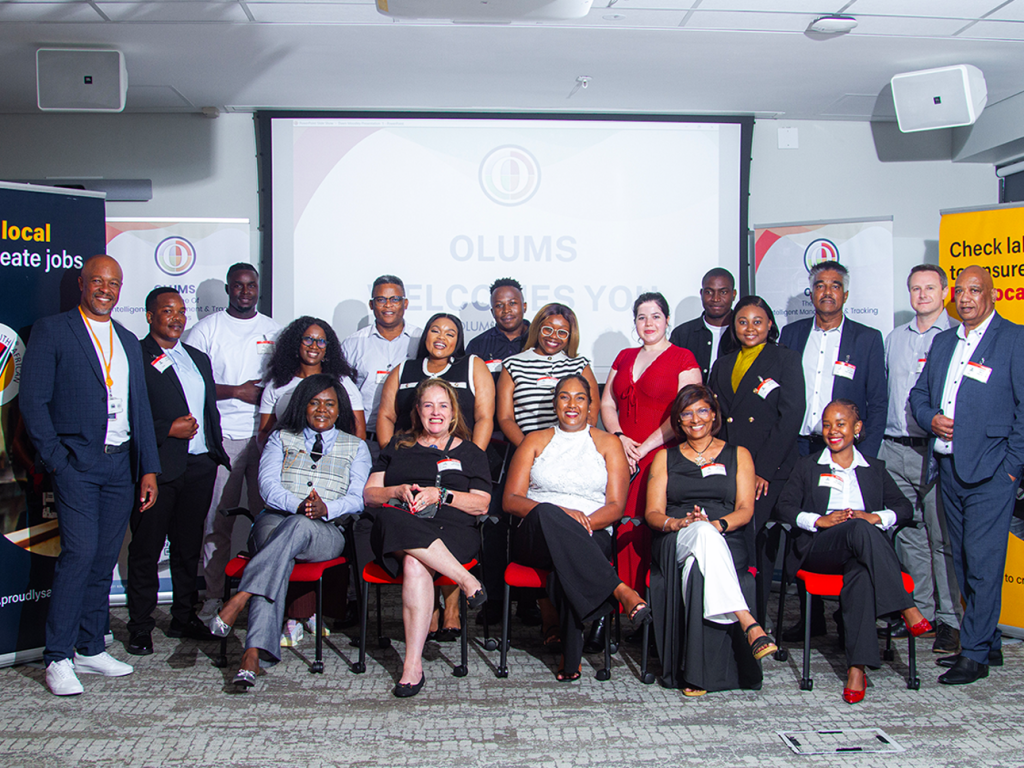
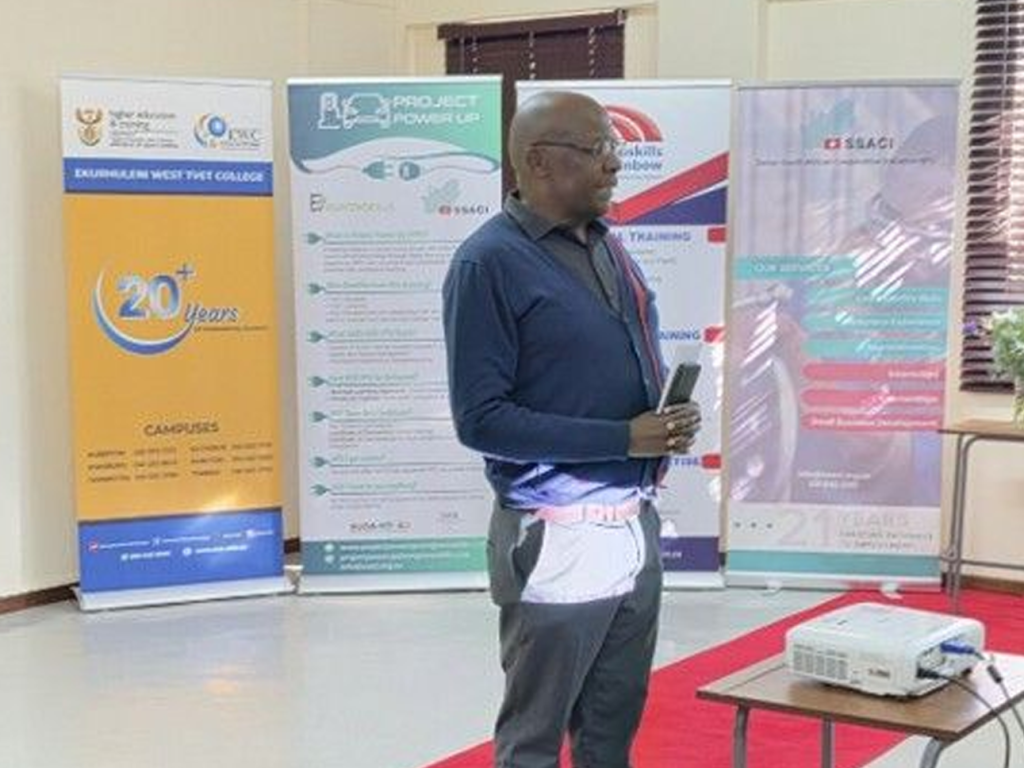
SSACI recently participated in the OLUMS SETA Roundtable, a valuable engagement that brought together stakeholders to reflect on grant management, work-integrated learning (WIL), and the role of systems in strengthening programme delivery and accountability.
The Roundtable created an important platform for honest dialogue across the sector — particularly at a time when funders, SETAs, institutions and implementing partners are all seeking better ways to improve data integrity, reduce leakage, and ensure that learner support is both effective and auditable.
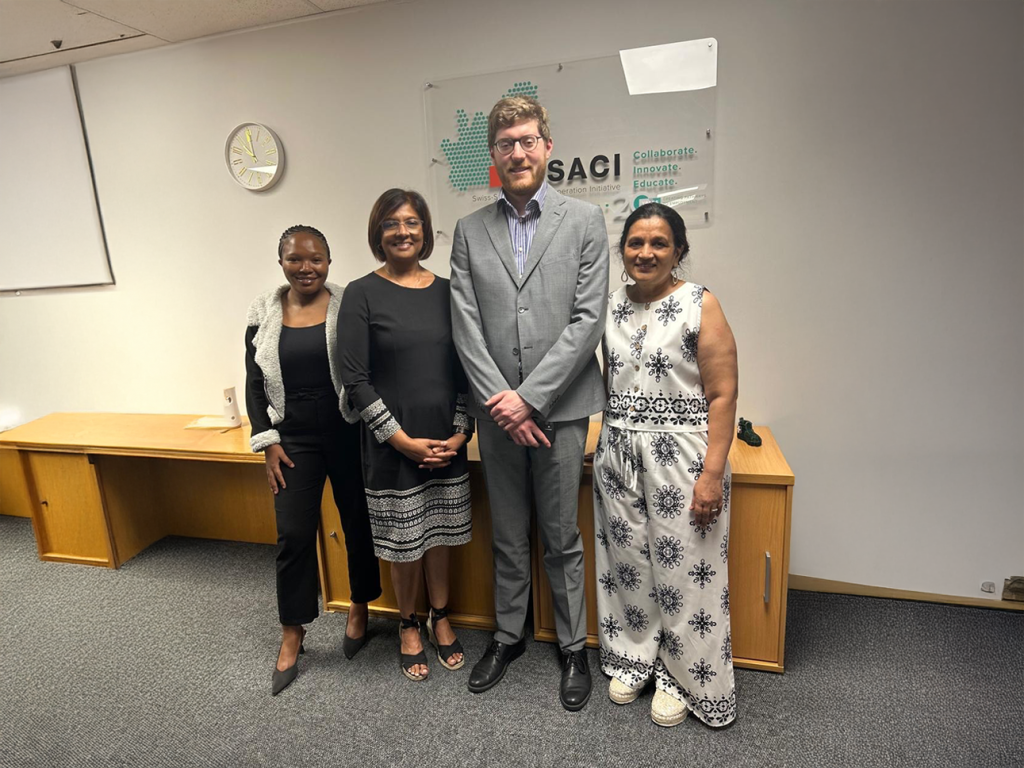
Representing SSACI, CEO Shanita Roopnarain shared a grounded, implementation-focused perspective based on SSACI’s experience of working at the interface of learners, institutions, employers and funders.
A practical voice from implementation
In her contribution, Roopnarain positioned SSACI as an organisation operating in the “messy middle” of the skills development system — the space where programme outcomes are shaped by daily operational realities such as onboarding, workplace placement, attendance tracking, evidence collection, stipend administration, and reporting.
Rather than approaching the discussion from a technical systems perspective, she spoke from the viewpoint of an end user responsible for making processes work in real-world conditions. This practical framing resonated strongly with the Roundtable’s broader collaborative spirit and the need for solutions that are not only innovative, but also workable across diverse institutional and employer contexts.
What OLUMS gets right: stronger data and cleaner workflows.
A key theme in SSACI’s input was a balanced acknowledgement of OLUMS’s value proposition.
Roopnarain noted that platforms such as OLUMS are particularly useful when understood correctly: not as replacements for existing SETA or institutional systems, but as tools that strengthen the point where data is created — before that data reaches formal reporting, ERP or MIS environments.
From a programme management perspective, this “data-at-source” approach has clear advantages:
- better visibility of where learners are in their journey,
- more structured employer confirmations and participation records,
- stronger attendance and evidence capture processes,
- and improved audit readiness because records are built progressively rather than reconstructed at the end.
SSACI’s experience was that once information is captured properly and consistently, the system can work very well. At that stage, visibility improves, records are easier to validate, and administrative pressure near reporting deadlines can be reduced.
The honest challenge: systems succeed or fail through adoption, not features
One of the most important contributions from SSACI’s CEO was the emphasis on a point that often goes under-discussed in systems conversations: the operating model matters as much as the platform itself.
Roopnarain highlighted that the challenge was not simply whether a system has useful functionality, but whether all role players are able and ready to participate in the workflow consistently.
For implementing organisations, the burden can become significant when:
- learners, employers and institutions continue using parallel paper or spreadsheet processes,
- approvals are delayed or handled outside the system,
- and implementers are left doing “second-round” data capture to keep the digital record complete.
This creates duplication and can weaken the very efficiencies the platform is designed to produce.
SSACI also reflected on the practical complexity of transitioning established processes — particularly around banking and payment controls. In grant-funded programmes, stipend payments are high-risk and time-sensitive. Any transition to a new workflow requires all role players to be trained and operationally ready at the same time. Where readiness is uneven, parallel systems tend to emerge, increasing administrative load rather than reducing it.
Why this matters for SETAs and funders: tackling leakage and double dipping
A notable point raised in the Roundtable discussion was the persistent risk of learner duplication across programmes (“double dipping”), which remains a serious concern for funders and grant managers.
SSACI’s contribution reinforced that this is not only a compliance issue, but a systems design issue. Fragmented records and disconnected workflows make duplication harder to detect and easier to exploit. By contrast, platforms that support stronger validation at source have the potential to improve transparency and reduce leakage — particularly when they are implemented consistently across stakeholders.
SSACI’s key message: think ecosystem, not micro-system
SSACI’s overarching message at the Roundtable was that platforms like OLUMS have the greatest impact when they are implemented as part of a broader ecosystem approach, rather than as a “micro tool” used by one implementing organisation in isolation.
For this reason, SSACI emphasised the importance of:
- anchoring system use at the source of the grant,
- securing buy-in across learners, employers, institutions and implementers,
- and strengthening consistency through SETA endorsement and standardised compliance behaviour.
In this model, a system can move closer to its intended value: a seamless flow from grant administration to validation to payment and beneficiary support, backed by stronger evidence and cleaner audit trails.
Looking ahead
SSACI welcomes the continued dialogue initiated by the OLUMS SETA Roundtable and commends OLUMS for creating a space where sector stakeholders can engage constructively on what is working, what is difficult, and what is needed to improve implementation outcomes across South Africa’s education-to-employment pathways.
As the sector continues to evolve, SSACI remains committed to contributing practical insights from implementation and to supporting approaches that strengthen accountability, collaboration and sustainable impact.
Because ultimately, stronger systems are not only about technology — they are about designing processes that work for people, under real conditions.